
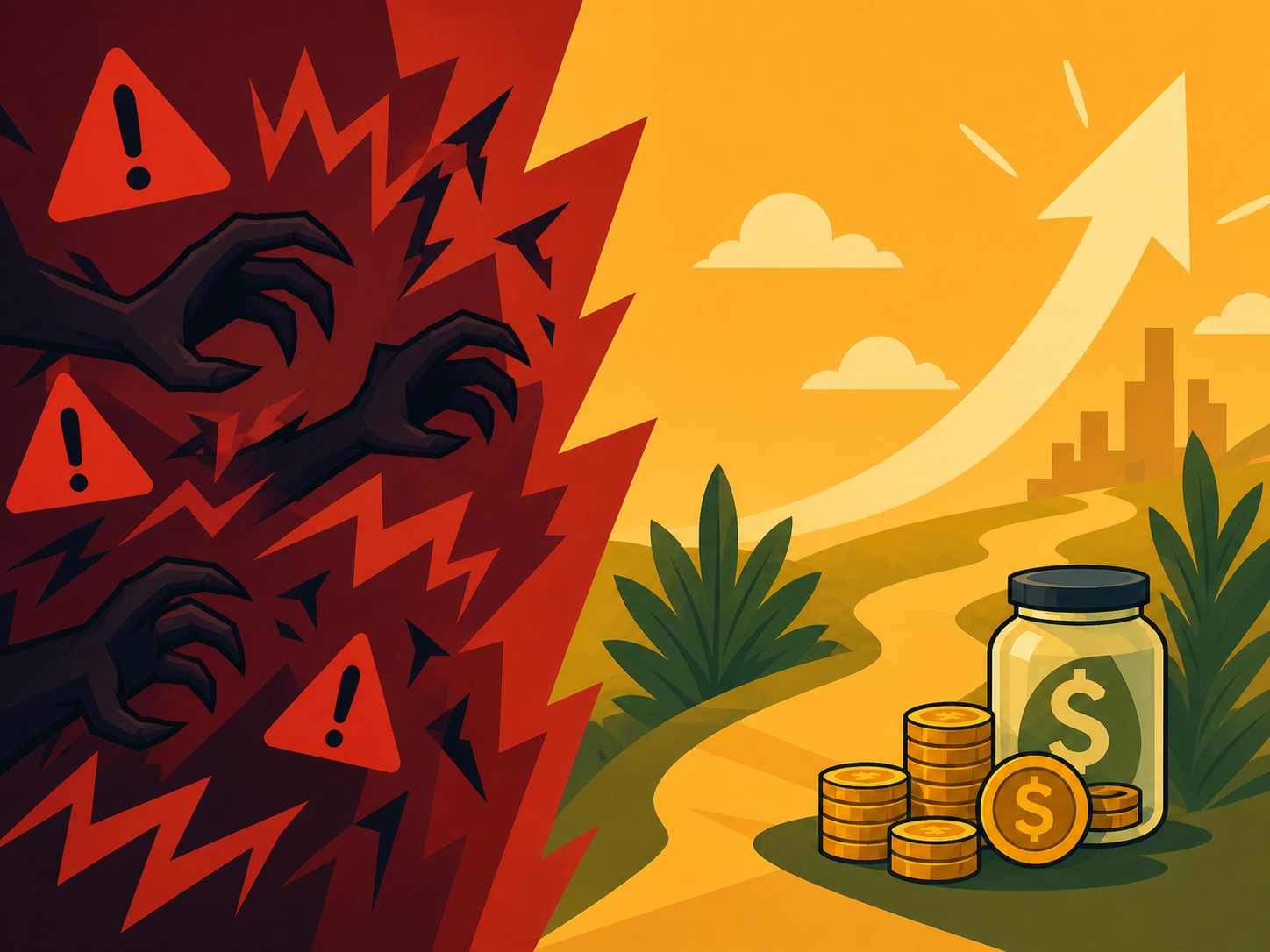
Stop Your Survival Instinct From Sabotaging Your Wealth

Dr. Julian Aris
April 5, 2024 · Director of Behavioral Resilience
Do you feel like you're constantly running out of time, money, or energy? Do you find yourself comparing your "behind the scenes" to everyone else's "highlight reel"? This is the "Not Enough" trap. It feels like a personal failing, but it’s actually your 200,000-year-old survival brain doing exactly what it was designed to do: keep you alive by assuming the worst. In the modern world, this instinct doesn't protect you; it sabotages you. It keeps you small, stressed, and blind to the opportunities right in front of you. It's time to debug the system.
1. The Amygdala's False Alarm
For your ancestors, resources were truly scarce. Not finding food meant death. Today, your brain uses that same ancient hardware to process modern stress. When you look at your bank account and feel a pit in your stomach, that’s your amygdala—the brain's threat detector—firing a "Level 5" alarm. It thinks you're starving in the wilderness, even if you're just sitting in a comfortable office.
The problem is that once the amygdala is in charge, your "executive function"—the part of your brain that handles logic, creativity, and long-term wealth building—gets shut down to save energy. You can't build a business or advance your career when your brain thinks it's in a life-or-death struggle. Our Prosperity affirmations are designed to signal "safety" to the amygdala, allowing your logical brain to come back online.
2. Cognitive Bandwidth: The Hidden Cost of Scarcity
Psychologists have discovered that living in a state of scarcity actually lowers your effective IQ. When you are hyper-focused on what you lack, you have less "bandwidth" available for everything else. You make more impulsive decisions, you lose your ability to plan, and you become less patient. Scarcity isn't just a feeling; it's a cognitive tax that you are paying every single day.
This is why financial stress can become a self-reinforcing loop. To interrupt it, start by identifying the specific concern competing for your attention, then choose one concrete next step you can control.
3. From "Threat" to "Opportunity"
Most "mindset advice" tells you to just "think positive." That doesn't work because your survival brain knows you're lying. You can't trick your amygdala with fake positivity. You have to give it a grounded, realistic reason to calm down. We do this through a process called "reframing."
Instead of forcing positivity, describe the specific stressor in concrete terms. A more objective view can help you notice resources and possible responses that are difficult to see while the concern remains vague.
4. The Strategy of "Enough"
The only way to win the scarcity game is to stop playing it. You have to consciously anchor your nervous system in the fact that you are safe *right now*. This is a strategic psychological intervention. By acknowledging your current stability, you take the power away from the survival instinct.
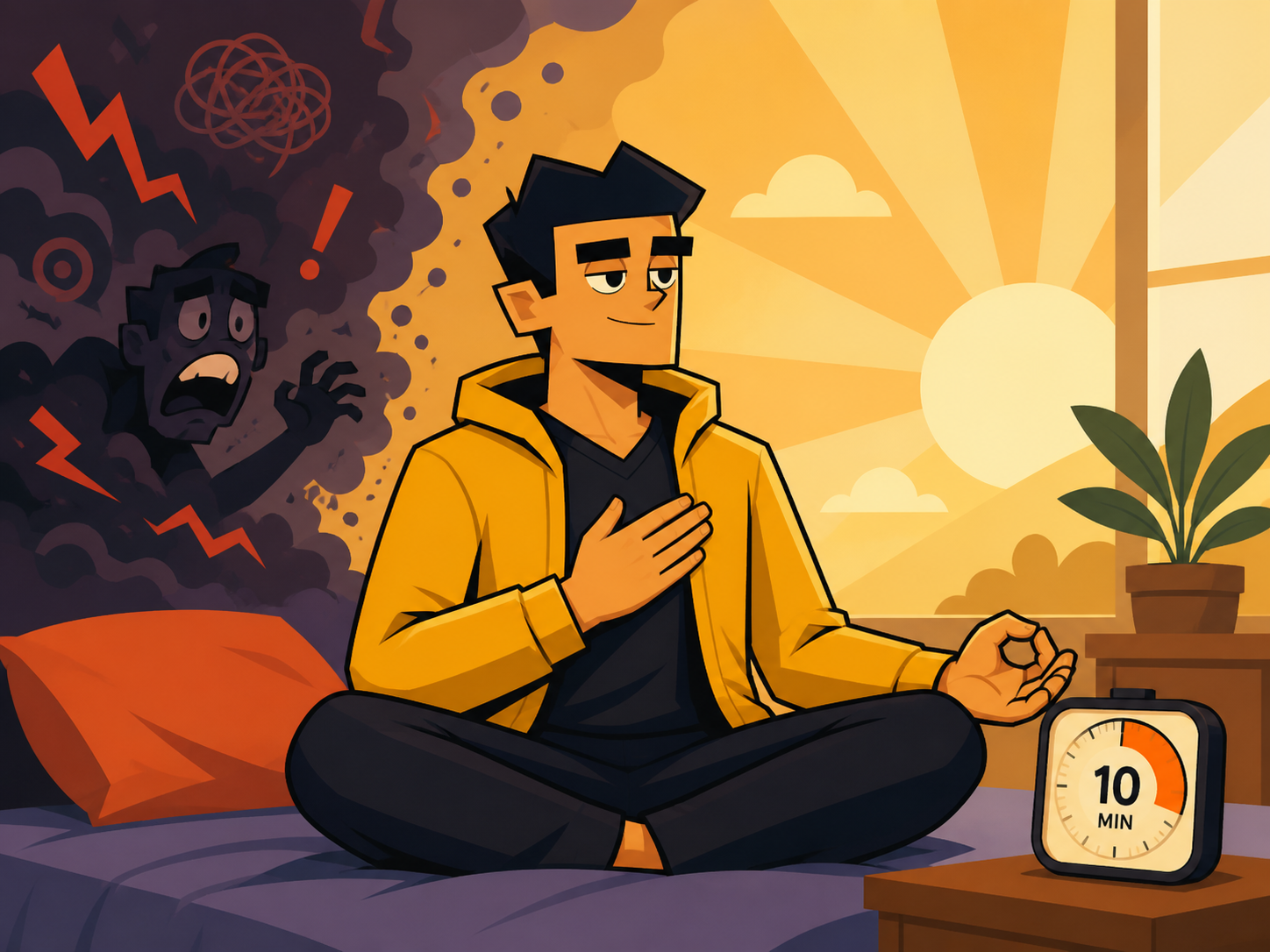
Every morning, before you dive into the chaos of the world, do a "Stability Check." Name three things that are guaranteed today—your health, your shelter, a supportive connection. This tells your brain: "The base is covered. We can now focus on growth." This is the foundation of the Thriversify Method.
5. Investing in Your Competence
The ultimate antidote to scarcity fear is competence. The more you believe in your ability to handle whatever comes your way, the less power fear has over you. Scarcity thrives on the feeling of being helpless. Growth thrives on the feeling of being capable.
- Audit Your Consumption: Stop following people who trigger your scarcity reflex. If social media makes you feel "less than," it's a toxic input.
- Learn One New Skill: Every time you master a new tool or concept, you increase your "survival value" in the modern world.
- Use High-Fidelity Support: Consistently feed your mind with affirmations that reinforce your authority and capability. The clarity of the sound ensures the message reaches the deeper parts of your subconscious.
Conclusion: The World is Not a Zero-Sum Game
The "survival instinct" wants you to believe that there is a limited amount of success and that if someone else wins, you lose. This is a lie. The modern world is built on value creation, and value is infinite. By debugging your scarcity mindset, you stop fighting for crumbs and start building the bakery. Your journey to wealth starts with a calm, clear, and expanded mind. We provide the resonance to help you get there.

.png)